

price of 6mm toughened glass
Understanding the Thread Micrometer Set A Comprehensive Guide When it comes to precision measurement in mechanical engineering and manufacturing, few tools are as indispensable as a thread micrometer set. Designed specifically to measure the pitch diameter and other critical dimensions of threaded components, thread micrometers play a crucial role in ensuring accuracy and quality in various applications. In this article, we will explore the significance of a thread micrometer set, its construction, and its practical uses in different industries. What is a Thread Micrometer Set? A thread micrometer set is a specialized measuring tool that allows users to gauge the dimensions of threaded parts with extreme precision. Traditional micrometers are generally used for measuring linear dimensions, but thread micrometers are tailored for screw threads. These tools are essential in industries such as manufacturing, automotive engineering, and aerospace, where the precision of threaded connections can have serious implications for safety and functionality. Components of a Thread Micrometer Set A typical thread micrometer set consists of several components that work together to ensure accurate measurements 1. Micrometer Body The main frame of the micrometer houses the measuring mechanism. It usually has an anvil and spindle, which are moved closer or further apart to measure the dimension of the object. 2. Measuring Faces The measuring faces of a thread micrometer are designed to fit the profile of the screw thread. They often come in various sizes and shapes, including plain, round, or shaped edges tailored for different thread types. 3. Metric and Imperial Scales Many micrometers include both metric and imperial scales to cater to a global range of applications. This feature provides versatility for engineers and machinists working in different regions. 4. Thimble and Sleeve The thimble and sleeve allow for fine adjustments and precise readings. The thimble rotates around the sleeve, providing a graduated scale that can be finely tuned to measure minute increments. Why Use a Thread Micrometer Set? thread micrometer set 1. Precision The most significant advantage of a thread micrometer set is the level of precision it offers. Measurements can be taken to the nearest thousandth of an inch or millimeter, which is vital for ensuring that threaded components fit together securely. 2. Improved Quality Control In manufacturing environments, the use of thread micrometers helps maintain quality control standards. By measuring and verifying the dimensions of each threaded part, manufacturers can reduce the risk of defects and improve overall product reliability. 3. Versatility Thread micrometers are designed for various applications, measuring different types of threads—such as metric, unified, and British standard threads. This versatility makes them valuable tools in many settings. 4. Ease of Use While precision tools often come with a learning curve, thread micrometers are generally user-friendly. Even individuals with basic training can become proficient in measuring threaded components with these tools. Practical Applications Thread micrometer sets find applications across numerous industries. Here are a few examples - Automotive Industry In automotive manufacturing, thread micrometers are used to measure bolt sizes and thread pitches, ensuring that components fit together securely and operate safely. - Aerospace Sector With safety being a top priority, aerospace engineers rely on thread micrometers to ensure that every threaded connection meets stringent specifications. - General Manufacturing From small workshops to large-scale manufacturing facilities, thread micrometers are essential for machinists and fabricators to verify the dimensions of parts before assembly. Conclusion In summary, a thread micrometer set is an essential tool for anyone involved in the production, inspection, or maintenance of threaded components. With their ability to provide accurate measurements, enhance quality control, and ensure the safety and reliability of products, these micrometers are invaluable in many industry applications. Understanding how to use a thread micrometer set effectively can empower engineers and technicians to maintain high standards of precision in their work, ultimately leading to better products and greater customer satisfaction. Whether in a workshop or a high-tech manufacturing facility, the role of thread micrometers remains critical in the world of precision engineering.
about
price of 6mm toughened glass
Types of Plug Gauges An Essential Tool for Precision Measurement In the fields of manufacturing and engineering, precision is paramount. Ensuring that components fit together flawlessly can make the difference between a successful assembly and a costly failure. One indispensable tool in achieving this level of precision is the plug gauge. Plug gauges are instruments used to check the dimensions of holes, ensuring that they meet specified tolerances. This article delves into the various types of plug gauges, their applications, and their significance in quality control. What is a Plug Gauge? Plug gauges are simple yet effective tools that act as standards used to measure the diameter of holes. Typically made from high-grade steel, these gauges are manufactured with utmost precision to provide reliable measurements. The fundamental design consists of a cylindrical body with a precise diameter that corresponds to the nominal size of the hole being measured. Types of Plug Gauges Plug gauges can be classified based on various criteria, such as function, design, and application. Here are some of the most common types 1. Go and No-Go Gauges These are the most frequently used types of plug gauges and are essential for quality control . The “Go” gauge is designed to fit into a hole that meets the upper tolerance limit, while the “No-Go” gauge will not fit in a hole that is within the lower tolerance limit. This binary system allows for quick assessments of whether a hole is acceptable or not. 2. Fixed Plug Gauges As their name suggests, fixed plug gauges have a predetermined size and are not adjustable. They come in various diameters and are ideal for checking specific dimensions in mass production where the same size features are consistently required. 3. Adjustable Plug Gauges Unlike fixed gauges, adjustable plug gauges can be modified to check a range of hole sizes. They come with a micrometer mechanism that allows for minute adjustments. These gauges are particularly useful for prototyping or when varied sizes need to be measured without changing the tool. 4. Segmented Plug Gauges These gauges feature several sections of different diameters, allowing them to check holes for multiple sizes with a single tool. This design can save time and increase efficiency, especially in production environments where rapid measurements are essential. types of plug gauge 5. Master Plug Gauges Master plug gauges are high-precision tools used to calibrate other gauges and measuring instruments. They are produced with such accuracy that they can serve as a standard reference point for quality assurance in manufacturing processes. Applications of Plug Gauges Plug gauges are widely used in various industries, including - Manufacturing In quality control, plug gauges are used to inspect holes in components like engine blocks, pipes, and fittings. - Aerospace The stringent safety standards in aerospace applications make plug gauges crucial in ensuring that parts meet strict tolerances. - Automotive The automotive industry relies on plug gauges for critical components, where precise fitment is vital for performance and safety. - Construction Plug gauges are used to check the diameter of holes in construction materials to ensure structural integrity. Importance of Plug Gauges in Quality Control The use of plug gauges is integral to maintaining quality in manufacturing processes. By ensuring that components meet specified tolerances, plug gauges help to reduce product failures, rework, and material waste. They also facilitate compliance with industry standards and regulations, which can be critical for companies aiming to maintain certifications. Moreover, the simplicity and effectiveness of plug gauges make them accessible to operators at all skill levels. Training staff to use these gauges takes minimal time, thus contributing to a streamlined production process. Conclusion In summary, plug gauges are essential tools in the world of manufacturing and engineering. Their various types, including Go and No-Go gauges, adjustable, segmented, and master gauges, cater to different application needs. As industries continue to emphasize precision and quality, the role of plug gauges will remain vital in ensuring that components fit together seamlessly, thereby fostering reliability and excellence in production. Whether in aerospace, automotive, or construction, plug gauges stand out as a testament to the commitment to quality and precision in engineering.
-

High quality industrial productsagement

High quality industrial products
View Details -

Meet the diverse needs of customers

Meet the diverse needs of customers
View Details -

Strict quality control

Strict quality control
View Details -

Top raw materials

Top raw materials
View Details -

Trusted supplier

Trusted supplier
View Details
Our application



news and information
Wood frame joinery solutions for seamless construction and structural support connections
Wood frame connectors are essential components in any wooden structure, providing stability and supp

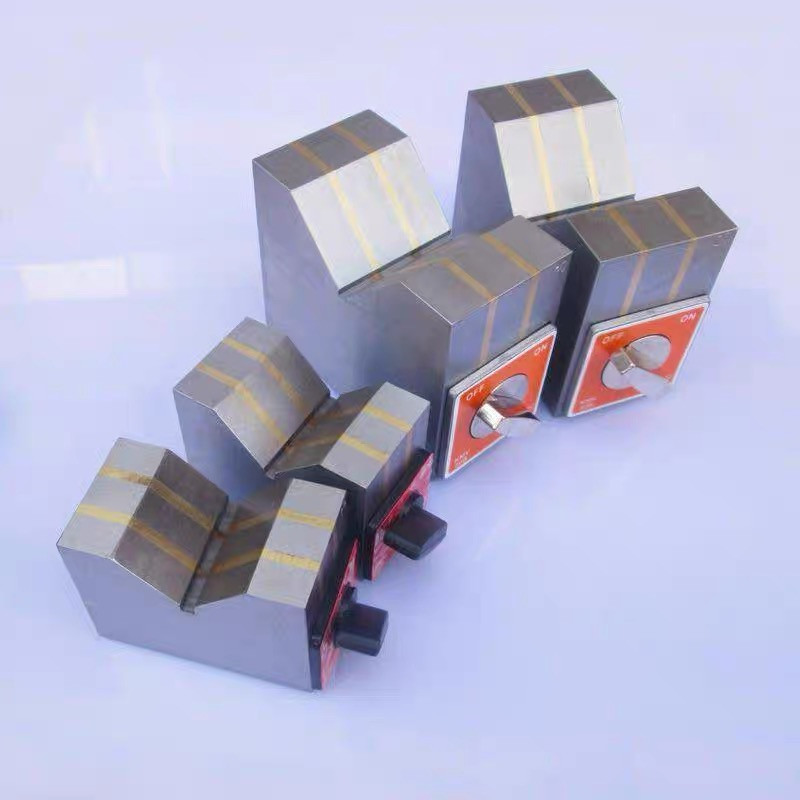
v block price
Understanding V Block Price An Overview In the ever-evolving landscape of digital currencies and bl

Welding Techniques for Achieving Precision with V Blocks in Fabrication Processes
The Importance of Welding V Blocks in Precision Engineering Welding v blocks are essential tools use
 English